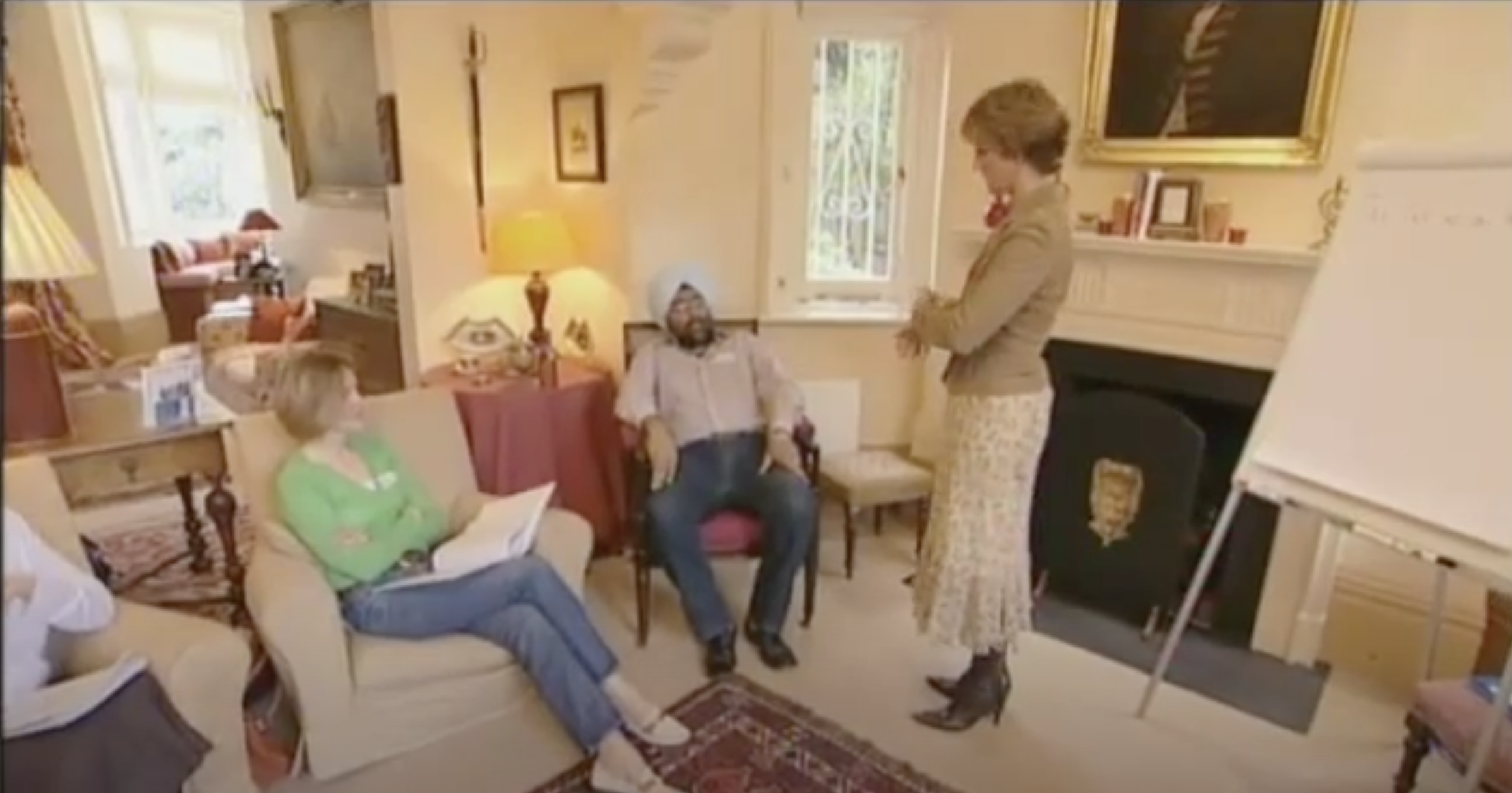
Have you ever considered doing a Positive Parenting course
“Why on earth are you doing a parenting course? Your children are ok? You don’t have any major difficulties do you?”
Sound familiar?…….this is indeed a very typical response that many of our clients report back to us when they tell family and friends they have signed up for a 10 week parenting course.
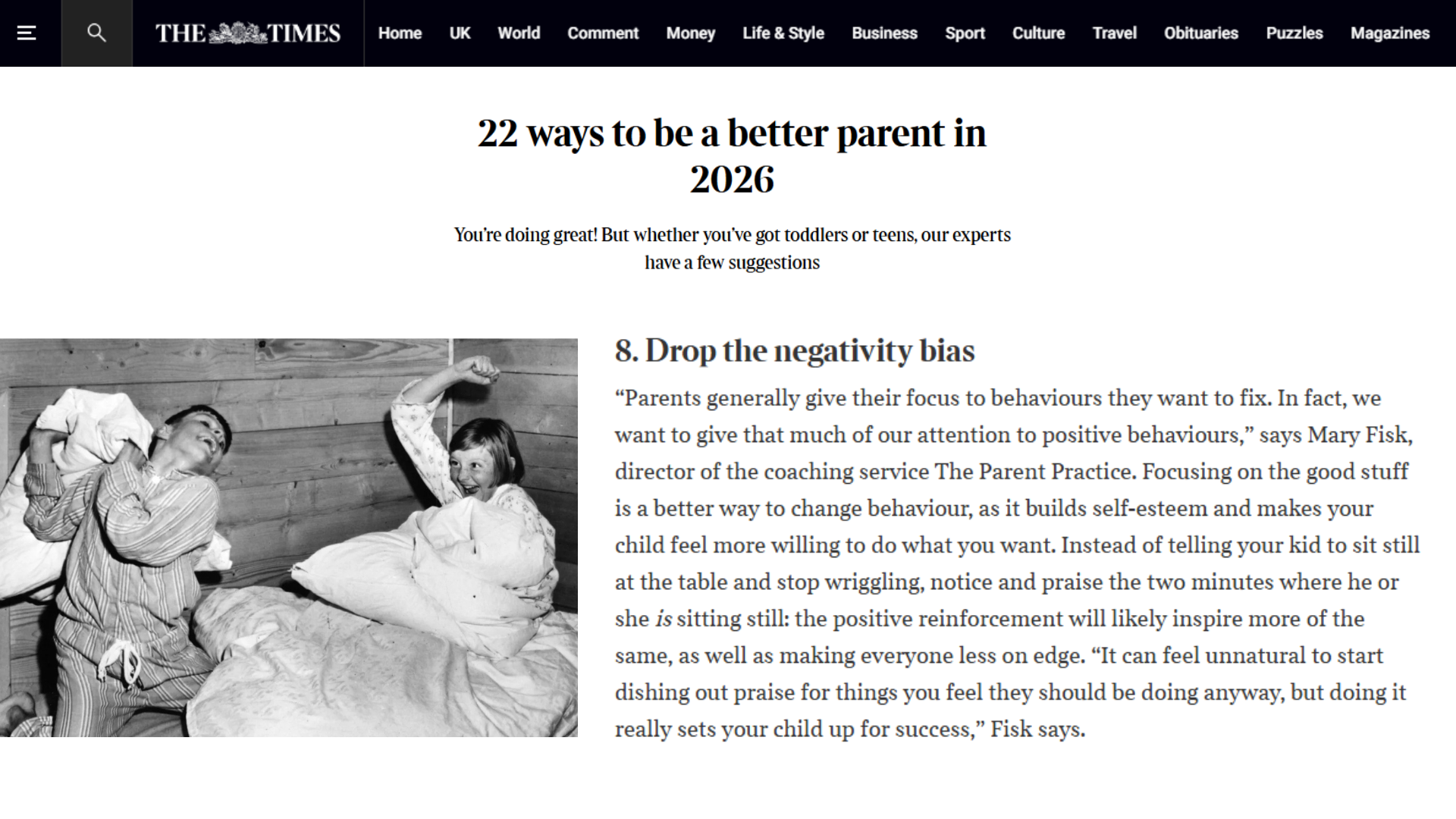
Positive parenting means using warmth, love, respect, consistency, good communication and empathy in the way you behave with your child. Often our natural reaction isn’t thought through, we are caught unprepared and have a short fuse, shout, blame, criticise and punish.
Skills such as reflective listening and descriptive praise can be taught and learned. These can change your view of parenting and help you understand why children behave as they do at each stage – helping you to remain calm and in control, and react in positive and constructive ways. Using the skills and strategies helps to motivate your children to behave positively – a win win situation for both parent and child.
Why not give it a go…a 10 week course is a small price to pay for a lifetime of skills and who doesn’t want to get it right for their kids and do the best job they can possible do?
Read a client’s article about her experiences on the course
http://www.theparentpractice.com/we-recommend/147.html
Courses start w/c 13th Sept – book here http://www.theparentpractice.com/book-a-course-now.html
27/08/2010 No Comments
Toxic Childhood – are your children affected?
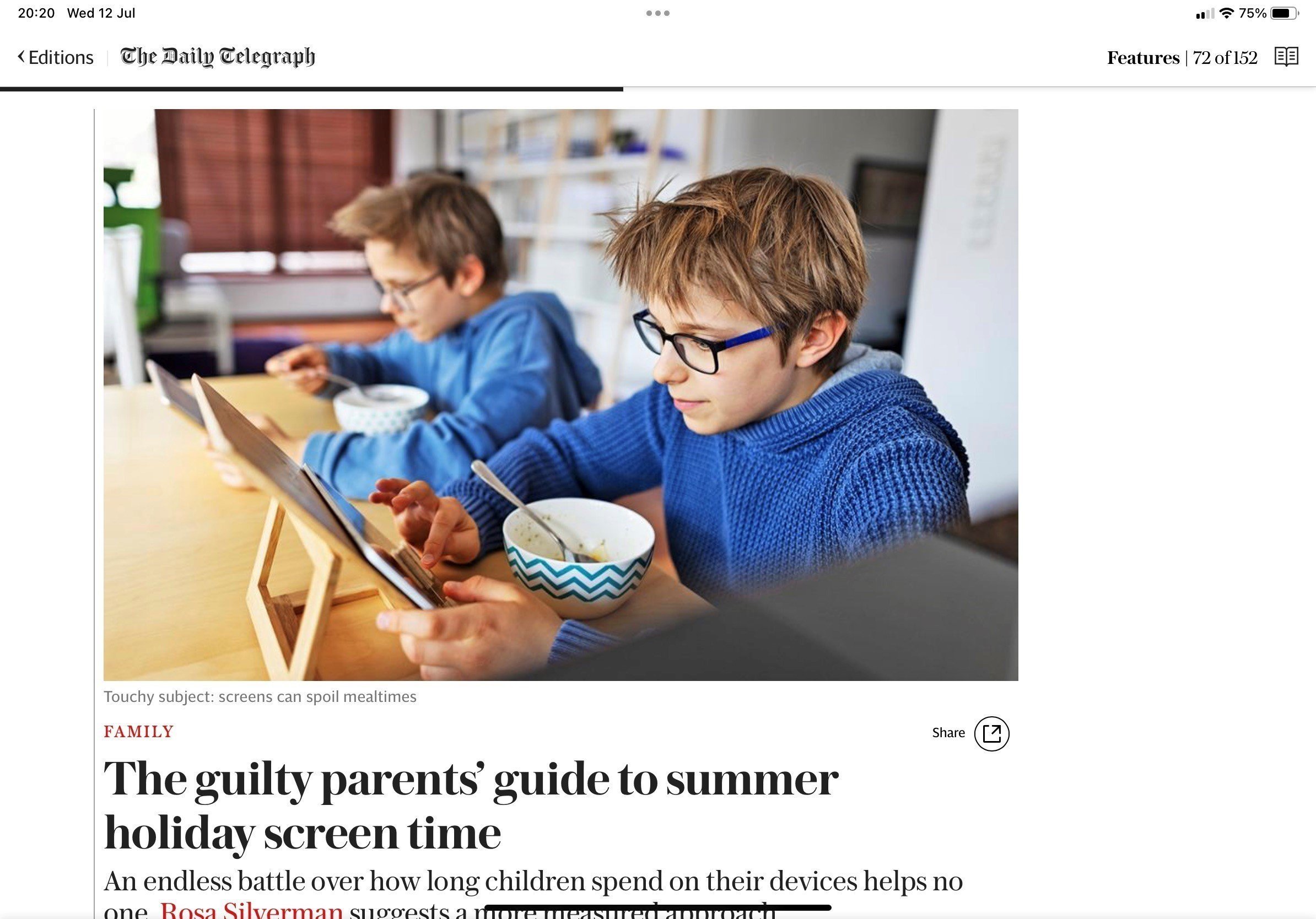
Anyone read Sue Palmer’s book “Toxic Childhood” and started panicking that all the modern technology is having a hugely harmful affect on our children, not to mention ourselves? Have only just started tweeting; blogging and facebooking and find myself fascinated about this social networking world and realise perhaps how easy it is to become addicted! As adults we hope we are able to exercise some form of self control, but how easy is that for our kids?
Is it little wonder therefore that Sue writes about how the modern world is affecting how our children are growing up.
A general deterioration in children’s learning and behaviour is being reported throughout the world, and Sue Palmer, a leading authority on literacy, looks through all the different reasons for this and shows how they are connected, rather than focussing on or blaming any one particular issue. She suggests there is a fundamental clash between “our technology driven culture and our biological heritage” because children still develop and mature at “human speed” whereas the world around them moves at “electric speed”.
What does this mean for us as parents – it means we need to be really clear about our values and the importance of good nutrition; adequate sleep, plenty of opportunities to play; quality childcare and ensuring good forms of communication. We need a good toolkit of skills to achieve all this!
Can you detoxify your life? Look out for The Parent Practice course on Children’s use of TV, internet and electronic games – Keeping Children Safe and Healthy – click here for more details.

24/07/2010 No Comments
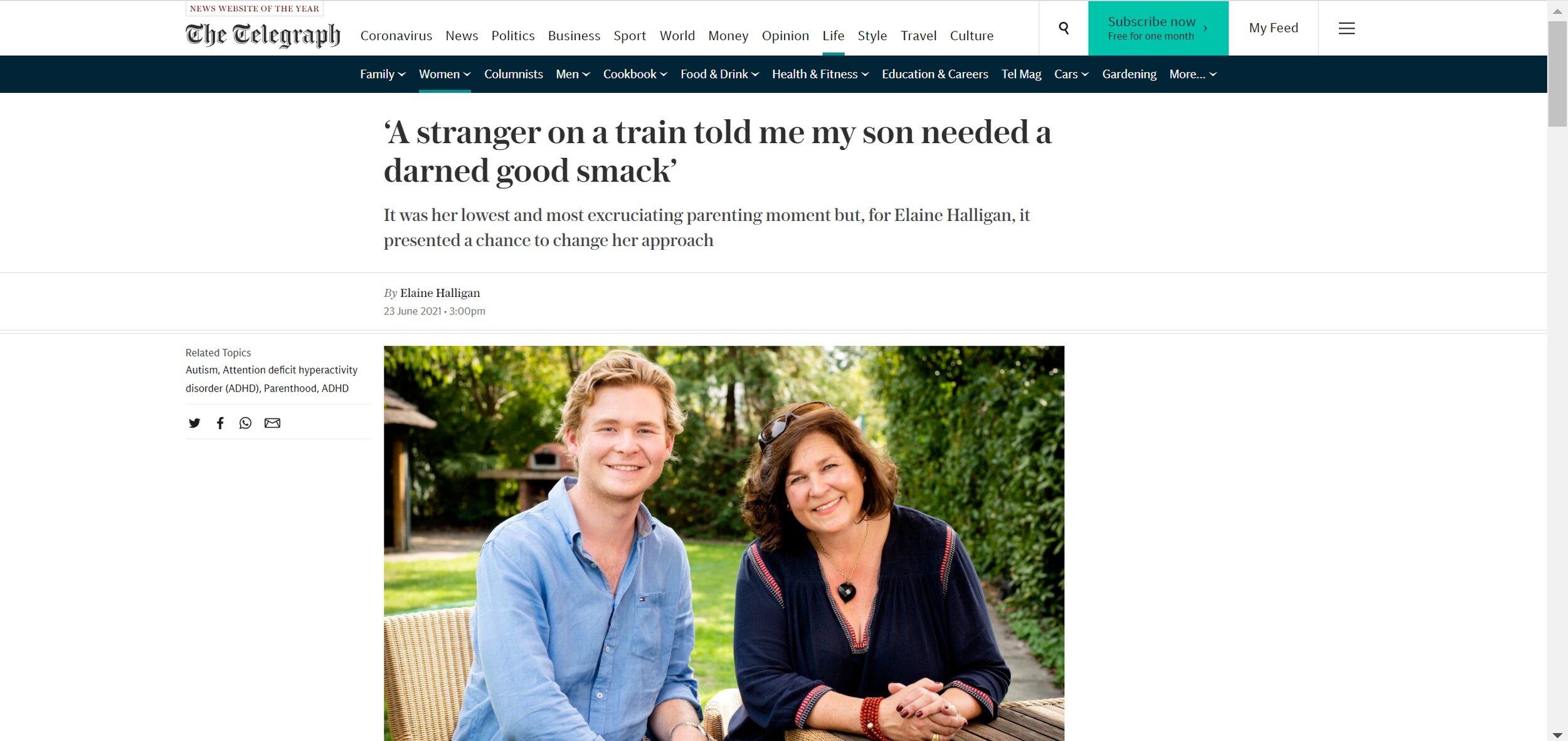
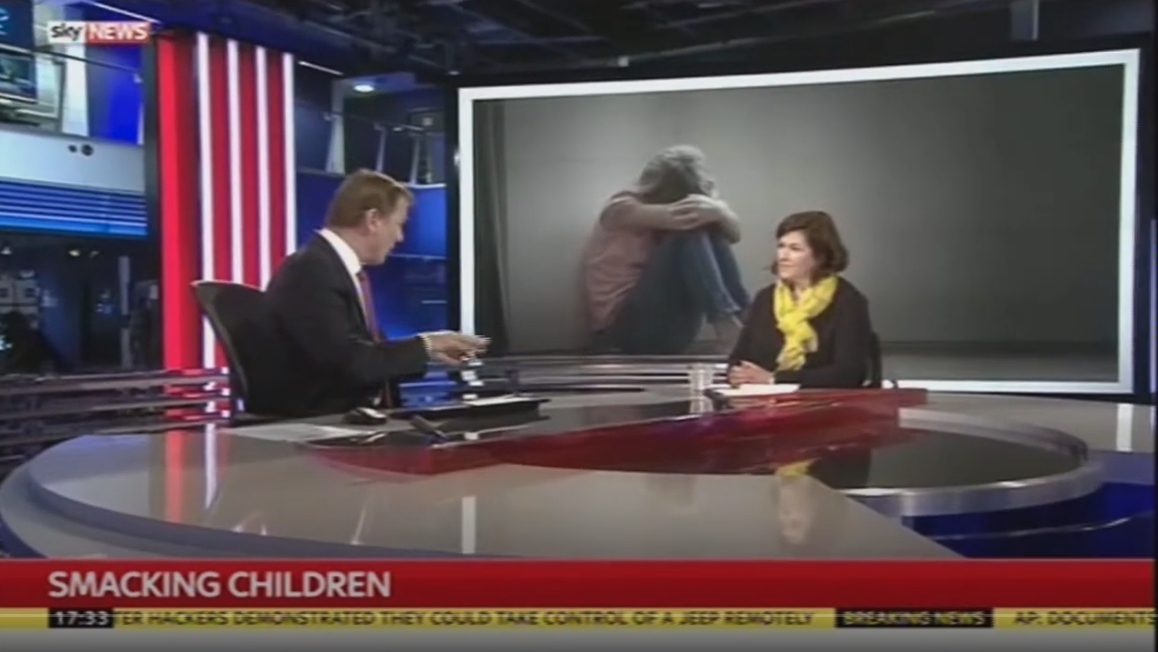
Smacking Children Debate
Woman’s Hour hosted an interesting discussion about smacking children this week, to listen please visit: www.bbc.co.uk/programmes/b00s8hyy
The debate about smacking children on Womans Hour was represented very well by the two guests and their comments showed how polarised the thinking is on this subject.
I founded The Parent Practice ten years ago and am familiar with the different views of many parents on the subject of smacking children. Overwhelmingly it seems that when parents smack their children they do so, not in a controlled way to discipline them, but because the parent is overwhelmed by an emotion, perhaps fear as in the example given in the programme when a child runs into the street, or out of anger or frustration. The child knows the parent has lost it and we are in danger of losing our children’s respect if we discipline in this way.
There is no doubt at all that discipline is necessary but the point of any method of discipline is to teach and smacking is the least effective of all the tools at our disposal if we want to teach. Our children are not so open to learning if they are shocked and hurting. We are in danger of teaching them something we don’t intend if we use smacking, that is that when you are an adult you can use your power to hurt, that you can resolve conflict or get your way by hurting. That is not what parents intend when they smack and I would never make a parent wrong for smacking but I think parents need to be supported in the difficult job of raising children by giving them tools other than smacking.
Melissa Hood
21/05/2010 1 Comment
Welcome to The Parent Practice
Welcome to The Parent Practice website, we hope that you like our new look and that you find the site easy to navigate. We believe that the skills and strategies taught at The Parent Practice are useful tools for any parent facing the daily challenge of raising children – we hope that our new look will reflect this and help make our services accessible to every parent.
Our news section will include comments and reports about The Parent Practice and our work, up to date research from experts, testimonials from our clients and even the occasional joke that has made us chuckle. Parenting is a hot topic in the media, and never before have parenting skills and practices been more scrutinised. This adds pressure to parents trying to do the right thing, but with coverage often presenting opposing extremes we are often left confused about what truly is the best way to raise our children. We will post comments about news items in this section, and aim to give you a clear and balanced perspective about the issue. If you come across any coverage we’ve missed – please let us know.
Do give us your feedback on any of the articles in this section and we’d love to hear about what you think about the new look – as always we continue to evolve and improve as a result of your comments.
Many thanks for your interest – enjoy the site!
The Parent Practice team.
21/05/2010 No Comments